
DIY Tips for Attic Insulation in Hanover: What You Can and Can't Do
Understanding Attic Insulation
Proper attic insulation is crucial for maintaining energy efficiency in your home. In Hanover, where the weather can vary significantly, having a well-insulated attic can make a big difference in your energy bills and comfort. Before diving into a DIY project, it's important to understand what you can and can't do on your own.
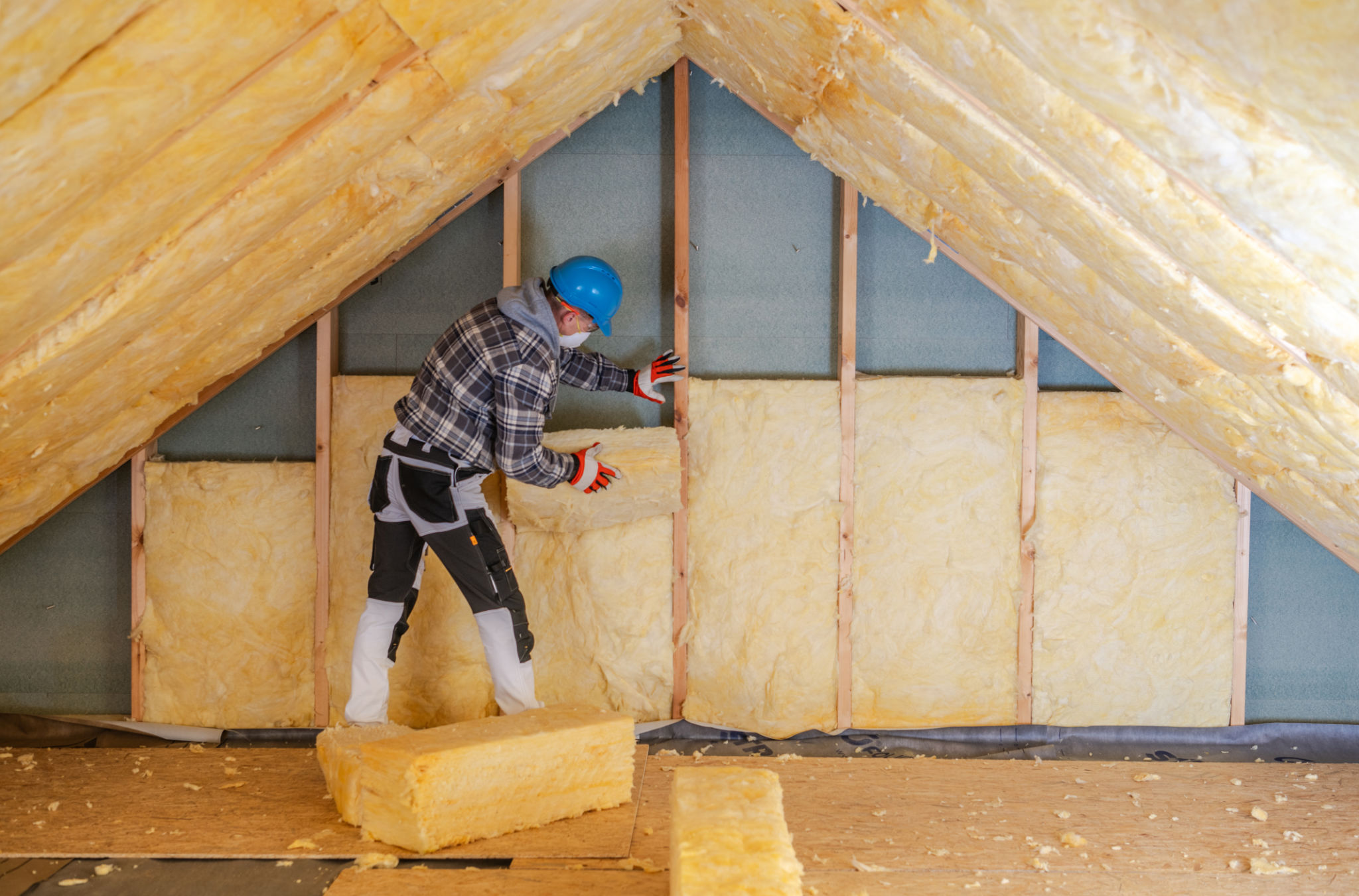
DIY Attic Insulation: What You Can Do
For those who are handy and enjoy taking on home improvement projects, there are several aspects of attic insulation that you can tackle yourself. Here are some tasks you might consider:
- Assessing Current Insulation: Before adding more insulation, check the existing material for damage or wear. Look for moisture, mold, or pests that might compromise its effectiveness.
- Installing Batt Insulation: This type of insulation comes in pre-cut panels and is relatively easy to install. Make sure to measure your attic space accurately to purchase the right amount.
- Sealing Air Leaks: Use caulk or weatherstripping to seal gaps around windows, doors, and vents.
Tasks Best Left to Professionals
While there are many tasks you can handle, some aspects of attic insulation are best left to professionals. Here are a few reasons why you might want to call in the experts:
- Handling Asbestos: Older homes might contain asbestos in the insulation. If you suspect this, hire a professional for removal to ensure safety.
- Dealing with Electrical Wiring: Insulation installation near electrical wiring can be hazardous. Professionals know how to avoid potential risks.
- Spray Foam Insulation: This requires specialized equipment and expertise to apply correctly.

Choosing the Right Insulation Material
Another important aspect of attic insulation is selecting the right material. The choice depends on your home's specific needs and your budget. Here are some popular options:
- Fiberglass: One of the most common types, known for its affordability and ease of installation.
- Cellulose: Made from recycled paper products, it's an eco-friendly option that offers good thermal performance.
- Spray Foam: Provides excellent insulation but requires professional installation.
Safety Tips for DIY Enthusiasts
Safety should be your top priority when taking on a DIY attic insulation project. Here are some tips to keep in mind:
- Wear Protective Gear: This includes gloves, goggles, and a mask to protect against dust and fibers.
- Ensure Proper Ventilation: Working in a confined space like an attic requires good airflow to prevent overheating and exposure to harmful particles.
- Use the Right Tools: Make sure you have the appropriate tools and equipment to complete the job safely and efficiently.

Conclusion: Balancing DIY and Professional Help
Insulating your attic in Hanover can be a rewarding DIY project, but it's essential to know your limits. By understanding what you can do yourself and when to call in professionals, you can ensure a safe and successful insulation upgrade. Whether you decide to tackle the job alone or with the help of experts, proper attic insulation will help keep your home comfortable and energy-efficient year-round.